India is a land where history is not confined to museums but lives and breathes through its streets, monuments, traditions, and people. For travelers who want to understand the true essence of Indian heritage in a limited time, the Golden Triangle route stands out as the most rewarding journey. Covering Delhi, Agra, and Jaipur, this circuit offers a perfectly balanced introduction to India’s royal past, Mughal architecture, cultural diversity, and living traditions. That is why Golden Triangle Tour Packages continue to be the preferred choice for first-time visitors as well as seasoned travelers.
The Golden Triangle forms a triangular route on the map, connecting three of North India’s most historically significant cities. Each destination contributes a distinct layer to India’s story. Together, they create a complete and immersive heritage experience that few other travel routes can match.
Delhi is often the starting point, and rightly so. As India’s capital, it reflects centuries of rule, from ancient dynasties to the Mughals and the British. Old Delhi introduces travelers to narrow lanes, bustling bazaars, and architectural marvels like Jama Masjid and Red Fort, where history feels alive in everyday life. New Delhi, on the other hand, showcases colonial-era planning, grand avenues, and landmarks such as India Gate and Rashtrapati Bhavan. This contrast alone gives visitors a clear understanding of how India has evolved while holding onto its roots.
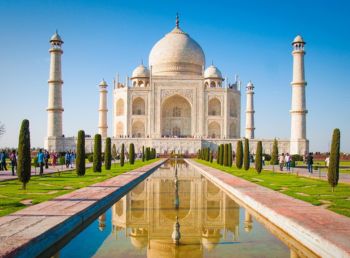
Agra, the second point of the triangle, is synonymous with love, legacy, and Mughal grandeur. The Taj Mahal is not just a monument; it is a symbol of India’s artistic excellence and emotional depth. Seeing it at sunrise or sunset is often described as a once-in-a-lifetime moment. Beyond the Taj, Agra Fort and the tomb of Itimad-ud-Daulah reveal the power, refinement, and strategic brilliance of the Mughal Empire. Agra’s heritage is compact yet profound, making it an essential part of the journey.
Jaipur, the Pink City, completes the triangle with its royal Rajput heritage. Known for its majestic forts, colorful markets, and regal palaces, Jaipur offers a deep insight into Rajasthan’s warrior traditions and royal lifestyle. Amber Fort, City Palace, and Hawa Mahal are not just architectural wonders but storytellers of a bygone era. The city’s planned layout, vibrant colors, and traditional crafts make it a cultural experience as much as a historical one.
What makes this route especially appealing is the way it brings together different aspects of Indian heritage in a short span. Travelers can witness Mughal architecture, Rajput valor, colonial influence, and modern India all in one journey. This diversity is difficult to find elsewhere in such a well-connected and manageable circuit.
Some of the key heritage experiences travelers enjoy on this route include:
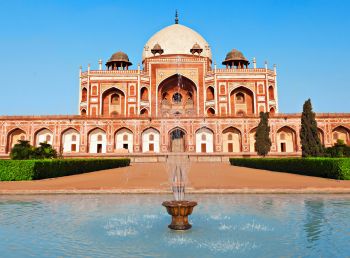
• Exploring UNESCO World Heritage Sites like the Taj Mahal, Red Fort, and Humayun’s Tomb
• Walking through centuries-old markets that still function as cultural hubs
• Experiencing traditional music, dance, and folk art unique to each region
• Tasting regional cuisines that reflect historical influences and local traditions
Another reason these tours are considered ideal is their excellent connectivity. The distances between Delhi, Agra, and Jaipur are short, with well-maintained highways and rail links. This reduces travel fatigue and allows visitors to spend more time exploring rather than commuting. For international travelers or those on tight schedules, this convenience plays a major role in making the journey enjoyable and stress-free.
Cultural immersion is a defining feature of the Golden Triangle experience. In Delhi, travelers may observe daily rituals at ancient temples and mosques. In Agra, local artisans continue marble inlay work inspired by Mughal craftsmanship. In Jaipur, block printing, gemstone cutting, and traditional jewelry making remain integral to local life. These living traditions help visitors connect with heritage beyond monuments and photographs.
The route also offers a wide range of accommodation options, from heritage hotels and restored palaces to modern luxury stays. Staying in a former royal residence in Jaipur or a heritage haveli adds an extra layer of authenticity to the experience. It allows travelers to not just see history, but live it, even if only for a few nights.
Classic Taj Tours curates’ experiences that go beyond standard sightseeing. Instead of rushing from one monument to another, the focus is on meaningful exploration. Guided walks, storytelling by knowledgeable local guides, and carefully planned itineraries ensure that travelers understand the historical context behind every site they visit. This approach transforms a simple tour into a deeper cultural journey.
Food is another powerful connection to heritage, and the Golden Triangle delivers richly in this area. Each city offers flavors shaped by history. Delhi’s cuisine reflects centuries of royal kitchens and street food traditions. Agra is known for Mughlai dishes with rich gravies and aromatic spices. Jaipur’s food showcases the ingenuity of desert cooking, with recipes developed to last long and taste exceptional. Sampling these cuisines adds sensory depth to the travel experience.
The Golden Triangle is also suitable for a wide range of travelers. History enthusiasts appreciate the architectural depth and historical narratives. Families enjoy the safe, well-structured route with activities for all age groups. Couples find romance in places like the Taj Mahal and Jaipur’s sunset views. Solo travelers value the accessibility and social atmosphere of these popular destinations.
Another advantage is the flexibility of the route. Travelers can extend their journey to nearby destinations like Fatehpur Sikri, Ranthambore National Park, or rural villages to add wildlife or countryside experiences without disrupting the core heritage focus. This adaptability makes Golden Triangle Tour Packages suitable for both short holidays and longer explorations.
India’s heritage is vast and complex, and for many travelers, it can feel overwhelming to decide where to begin. The Golden Triangle solves this challenge by offering a thoughtfully curated introduction. It captures the spirit of North India while leaving travelers inspired to return and explore more regions in the future.
With expert planning, comfortable travel, and culturally rich experiences, this journey becomes more than a sightseeing trip. It becomes a narrative of India’s past and present unfolding city by city. For anyone seeking a meaningful way to understand India’s heritage, Golden Triangle Tour Packages offered by Classic Taj Tours remain one of the most rewarding choices.

 Please wait...
Please wait...
Please wait...

 1-800-982-1278