×
Categories
News Travel Tips

February cheapest month to fly for Indian Travelers: Skyscanner

February is often considered the cheapest month to fly for Indian travelers, with savings of around 18%. This is because travel demand is generally lower in February compared to peak seasons like summer holidays or winter festivities.  Also February is part of the spring season in India, which is also considered a “shoulder season” with fewer tourists than peak seasons. 

International travel search site Skyscanner has published a release of its ‘Best Time to Book’ inclusive data study, which reveals when to book flights and average fares, to help clients to accumulate money on their travel in 2014. According to the study, the lowest-priced flight tickets from India are offered 22 weeks in advance of travel on an average

However, 3 years of booking data also illustrates that cost patterns can differ by type of airline and distance of travel and so is destination dependent. Further, February is the cheapest month to travel, and Indian customers are supposed to accumulate 18 per cent on flight costs on usual, while booking 22 weeks in advance would result in savings of around 15 per cent on average.

As report by Kavitha Gnanamurthy, Senior Marketing executive for India, Skyscanner, “The earlier in proceed your book, the better. It is also imperative to remind that costs can in fact increase at the last minute, particularly on budget airlines.”

“Clients have to realize that they are taking a gamble if they wait until closer to departure before booking and may find that they have missed the best flight prices. Our study suggests that the best mode to get a flight at the competitive price is to prepare ahead and do you explore,” Gnanamurthy added.

The most appropriate time to reserve a flight for long-haul places such as the United Kingdom & closer nations counting the UAE and Singapore is twelve weeks in advance.

Indian travelers can also save a large amount on flights to Australia and Thailand if they book 16 weeks before of their leaving date, it added.

Categories
India National Parks News

A Wildlife Safari in Bandipur

Nestled in the verdant landscapes of Karnataka, Bandipur National Park is one of India’s premier wildlife destinations, offering a perfect blend of adventure and tranquility. Once the private hunting ground of the Mysore Maharajas, this tiger reserve is now part of the Nilgiri Biosphere Reserve and a haven for nature lovers. Embarking on a wildlife safari in Bandipur takes you deep into its rich forests, where you might spot majestic tigers, elusive leopards, playful elephants, and a variety of deer, langurs, and exotic birds in their natural habitat.

Bandipur’s safaris, conducted in open jeeps or canter vehicles, offer a safe yet thrilling way to experience the wilderness. With the backdrop of the Western Ghats and the scent of teak and sandalwood in the air, every ride is a chance to witness the raw beauty of India’s wildlife. Whether you’re an avid photographer or a curious traveler, a safari in Bandipur promises unforgettable moments and a deeper appreciation for the delicate balance of nature.

1. Bengal Tiger

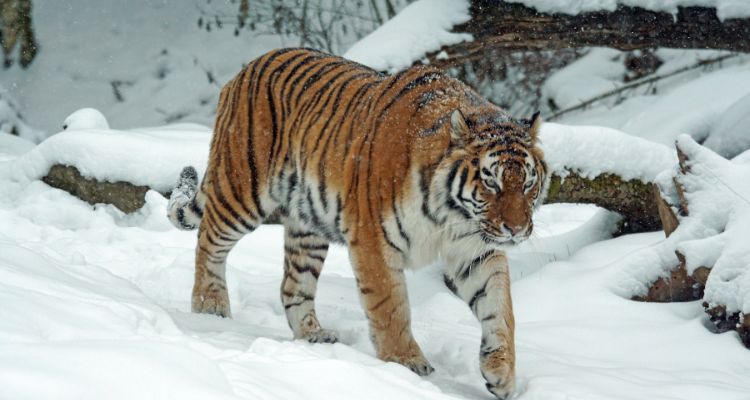
The Bengal tiger, India’s national animal, reigns supreme in reserves like Bandipur and Ranthambore. These majestic predators prowl their territories silently, leaving behind scent marks and the occasional thunderous roar. With their iconic black stripes and muscular form, spotting one in the wild is an unforgettable highlight of any Indian safari.

Tiger finding its way to the lake


2. Chital – Spotted Deer  

The chital, or spotted deer, is one of the most seen animals on Indian safaris. Graceful and social herds of these deer can be seen grazing in the golden meadows, their white spots glowing in the filtered sunlight. Often accompanied by langurs or alarm calls that echo through the forest, they play a key role in the ecosystem — and in alerting others to the presence of tigers or leopards.

chitlas
Chitals locked horns


3. Indian Gaur

Towering and muscular, the Indian gaur — also known as the Indian bison — is the largest wild cattle species in India. Often spotted in the misty forests of South India and the Western Ghats, this gentle giant is usually shy and peaceful, grazing quietly in small herds. But don’t be fooled by its calm nature — when threatened, the gaur can become a formidable force, defending its space with surprising strength and speed. Spotting one in the wild is a thrilling experience for any wildlife enthusiast.

Indian Gaur


4. Male Leopard

Elusive and elegant, the male leopard is one of the most breathtaking predators you might encounter on an Indian safari. Known for his solitary nature and silent movements, he often goes unseen—until he chooses to reveal himself. With sheer strength, he can drag prey heavier than himself high into the trees, keeping it safe from other scavengers. His beautiful spotted coat blends seamlessly into the dappled forest light, making each sighting feel like a rare and magical moment.

Male Leopard


5. Sambar Dear

The sambar deer, India’s largest deer species, is a striking presence in the country’s forests. With rugged antlers and a thick, coarse coat, it moves quietly through the undergrowth—until danger nears. When it senses a predator, its loud, echoing alarm call pierces the stillness, often alerting the entire jungle. Frequently found near waterholes, the sambar is a key part of the forest ecosystem and a preferred target for tigers, making it a common sight on thrilling wildlife safaris.

Sambar Deer


6. Grey Francolin

Grey Francolin

The grey francolin, often heard before it’s seen, fills the forest air with its sharp, unmistakable call. This shy ground bird is commonly spotted darting through dry scrublands and grasslands in pairs or small groups, pecking for seeds and insects. Perfectly camouflaged in earthy tones, it relies on quick sprints to escape danger rather than taking to the skies. Catching a glimpse of one scurrying through the underbrush adds a charming touch to any birdwatching adventure in India.

Categories
India Culture & Heritage India Tourist Attractions News Uncategorized

Know about Indian Festivals & Celebrations

India is a land of vibrant cultures and diverse traditions, reflected beautifully in its countless festivals and celebrations held throughout the year. Here Are Some of the Most Popular Indian Festivals and Celebrations.

Allahabad kumbh2013
Foreigner taking bath in river Ganges at Kumbh Mela

Maha Kumbh Mela: Earlier on February 10, 2013, this mega event took place in the north part of India. This festival was the greatest of the events held this year due to its specialty that the day was considered the most auspicious one by the Hindus since it occurred 144 years. The special planetary alignment will happen again only after 144 years.

Hindus believe that during the auspicious day of ‘Maha Sivarathri’ if they take bath in the Holy Ganges, all their sins will get washed away and they will become pure souls. The holy bath or dip must be taken at the confluence where the rivers Ganges, Yamuna and Saraswathi meet in Allahabad.

On the special day on February 10, 2013, more than 100 million people visited Allahabad and nearly 30 million took their holy dip on that single day. These Kumbh Melas occur once in twelve years. Indian cities Haridwar, Nasik and Ujjain regularly host these festivals.

Apart from the annual Kumbh melas, there are half-yearly and once in three months melas also celebrated.

Janmashtami: This festival is celebrated on the birthday of Lord Krishna.  It will happen in August or September and Mathura in Uttar Pradesh of India which is the birthplace of Krishna will be like heaven during this period. All through the city and around temple areas there will be heavy decorations. Musical dramas, discourses, discussions, songs and dances will be held to celebrate this festival. Not only in Mathura, but people also all over India will be celebrating Krishna’s birthday in their homes every year.

Ganga Sagar Mela: Thousands of Hindus visit the Sagar Island where the river Ganges meets the ocean at this day during the middle of January.

Sonepur Mela: This is a cattle fair to commemorate the prehistoric battle held between crocodiles and elephants. This is the largest one in

sonpur mela

the whole of Asia. Not only the cattle but also all the living beings that stepped off Noah’s Ark will be in the fair along with thousands of pilgrims who take baths in the river. This is held during November or December near Patna in Bihar.

Rath Yatra: This is a spectacular festival held in November in Puri of Odisha. Very large sized chariots with Lord Jagannath, his brother Balbadhra and his sister Subhadra will be hauled from the temple to the beach in Puri all through the streets.

Shiv Rathri Mela: This is held between February and March in Mahadeo Temple in Pachmarhi, Madhya Pradesh. More than 100,000 pilgrims and saadhus attend this festival.

Trissur Poornam: This is held between April and May in Trissur, Kerala. The topmost festival of Kerala where dozens of elephants decorated with spectacular jewelry will parade in procession.

Ganesh Chathurthi: Held between August and September, this festival is celebrated all over India and most popular in Mumbai. This is the birthday celebrations of the Lord Ganesh, the elephant head god.

Durga Pooja: This is the most famous in Kolkata during October. The ten-armed goddess Durga is worshipped during this festival with much galore. More than thousands of statues are taken in processions and immersed into Holy River Hooghly amongst firework explosions, dance and music.

camel race
Camel race at Pushkar

Pushkar Camel Fair: Even the desert cities of Rajasthan are in way behind the other cities of India in celebrating festivals. More than 50,000 camels and cattle accompanied by traders and pilgrims make the occasion a grand one during early November in Pushkar desert festival.

Categories
Delhi Tourist Attractions

7 Offbeat Places in Delhi

While Delhi is known for its bustling markets and iconic landmarks, the city also hides a wealth of lesser-known treasures that offer unique and enriching experiences. Start Delhi sightseeing tour with the Jama Masjid, one of the largest mosques in India, often overshadowed by nearby markets—climb its minaret for a stunning panoramic view of Old Delhi. Not far away, the serene Purana Qila (Old Fort) invites you to walk through centuries of history surrounded by peaceful gardens and ancient ruins. In Mehrauli, the Alai Darwaza, a 14th-century gateway with stunning Islamic calligraphy and red sandstone architecture, sits quietly next to the more famous Qutub Minar, waiting to be admired.

Continue your offbeat trail at Feroz Shah Kotla Fort, where mystical legends mix with medieval ruins and an ancient Ashokan pillar. For a change of pace, the National Rail Museum offers a fascinating peek into India’s railway history, complete with vintage trains and interactive exhibits. Seek calm at Safdarjung Tomb, a beautiful yet less-visited Mughal-era mausoleum with symmetrical gardens and grand domes. End your journey at the peaceful Lotus Temple, a modern architectural marvel that welcomes people of all faiths into its serene, flower-shaped sanctuary. These seven spots offer a quieter, deeper look into Delhi’s diverse heritage, away from the typical tourist path.

1. Jama Masjid

Dominating the skyline of Old Delhi, Jama Masjid is one of India’s largest and most magnificent mosques. Built by Mughal emperor Shah Jahan in the 17th century, it features grand red sandstone steps, towering minarets, and a vast courtyard that can hold over 25,000 worshippers. The mosque’s intricate carvings and serene ambiance offer a glimpse into the architectural brilliance and spiritual soul of Mughal-era Delhi. Climb the southern minaret for breathtaking views of the bustling streets below and the timeless charm of the old city.

2. Purana Qila

Purana qila

One of the oldest forts in Delhi, Purana Qila (Old Fort) stands as a silent witness to the city’s ancient past, believed to be built on the legendary site of Indraprastha from the Mahabharata. Originally constructed by Humayun and later renovated by Sher Shah Suri, the fort showcases impressive Mughal architecture with massive gateways, thick ramparts, and a tranquil moat. A walk through its grand gateways and quiet pathways transports visitors to a bygone era, making it a must-visit for history lovers seeking a peaceful escape in the heart of the capital.

3. Alai Darwaza

Alai Darwaza

Located within the Qutub Complex, Alai Darwaza is a striking 14th-century gateway built by Alauddin Khilji in 1311. It is celebrated as one of the earliest examples of true Indo-Islamic architecture in India, blending intricate red sandstone carvings with elegant Islamic arches and domes. Though often overshadowed by the towering Qutub Minar nearby, Alai Darwaza’s detailed lattice work and symmetry offer a unique glimpse into Delhi’s architectural evolution and the artistic finesse of the Delhi Sultanate era.

4. Feroz Shah Kotla fort

Feroz shah kotla fort

Built in the 14th century by Sultan Feroz Shah Tughlaq, Feroz Shah Kotla Fort is a hauntingly beautiful ruin that offers a glimpse into Delhi’s medieval past. Once a grand citadel along the Yamuna River, the fort is now known for its atmospheric remnants—crumbling walls, secret chambers, and a 13-meter-high Ashokan pillar that predates the fort itself. Today, it draws not just history enthusiasts but also locals who come to leave letters and light candles, believing the ruins are inhabited by spirits. Mysterious yet captivating, it’s one of Delhi’s most intriguing, offbeat attractions.

5.  National Rail Museum

A delight for both kids and adults, the National Rail Museum in Delhi offers a fascinating look into the rich history of Indian railways. Spread across 11 acres, the museum features vintage locomotives, royal saloons, and rare steam engines, including the Fairy Queen, the world’s oldest working steam engine. Interactive exhibits, toy train rides, and well-preserved carriages make it an engaging and educational experience, offering a nostalgic journey through the tracks of India’s past.

National Rail Museum

6. Safdarjung Tomb

Safdarjung Tomb

Tucked away in the heart of Delhi, Safdarjung Tomb is a stunning yet often overlooked example of late Mughal architecture. Built in 1754 for Nawab Safdarjung, the tomb is set amidst lush gardens and features a grand sandstone and marble facade with elegant domes and intricate detailing. Though it marks the fading glory of the Mughal era, its peaceful atmosphere and symmetrical beauty make it a perfect retreat for travelers looking to explore Delhi’s quieter, more soulful heritage sites.

 7.  Lotus Temple

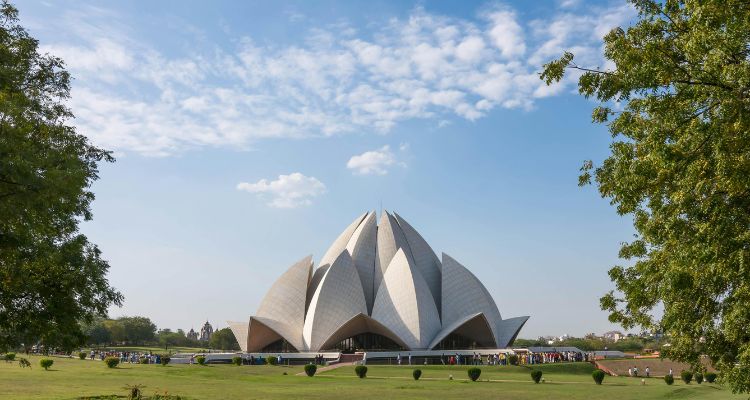
Lotus temple with beautiful garden

The Lotus Temple in Delhi is a breathtaking architectural marvel, shaped like a giant white lotus flower and surrounded by tranquil gardens and reflecting pools. Open to people of all religions, this Bahá’í House of Worship offers a peaceful space for meditation and silence, free from rituals or sermons. Its elegant design and spiritual openness make it one of the most visited and admired landmarks in the city, offering both serenity and inspiration in the heart of bustling Delhi.


Categories
Travel Tips

How to eat safe food in India

When you visit any foreign country, it is common to get stomach upset since your dietary system will not adjust to the new type of food initially. During your India tours, it is important to know what is safe and what is not safe.  There is an ample chance for you to get excellent food in cheap roadside hotels or in the streets and dirty dangerous food in the fashionable restaurants. This article reveals some important points to follow in eating during your stay in India.

Book-for-healthy-food

  • Though fresh fruit juices are healthy, the water used for preparing it may be just ordinary tap water. So do not drink fresh juices while you are in India.
  • While selecting the restaurant, choose the one where most of the local people prefer to go.
  • It is better to avoid raw vegetables and salads since Indians are not aware of thorough cleaning of the vegetables and fruits before consumption. Of course, they will also clean them but with tap water.
  • Never use ice in India since most probably it will also be prepared with tap water.
  • Eat only fresh cooked food. Do not eat food from buffet tables here, they have been kept all day long.
  • It is well known factor that foreign people do not take meat In India since it is famous for its vegetarian food.
  • Eating plenty of fresh fruit and yogurt will prevent digestive problems. Always wash them before eating with your own hands.
  • Drink plenty of water to keep you from dehydration and be careful to drink only good, bottled water.

Street side Foods

Street foods are real pleasure in India making the entire trip meaningful. However, use your common sense to find the safe food.

  • Always go to the vendor where lots of local families are crowded. It must be a good place since families visit the joint.
  • Before buying the snacks, a little bit of watching is sufficient to conclude its safety. The way how the vendor cleans the utensils, handles and how he maintains the food and the cleanliness with proper coverings – all these can be easily found within few minutes.
  • Do not eat meals from the street vendors.
  • In case you need to drink juice, you must ask the vendor to press the juice in front of you and be sure not to drink anything from already stored containers.

Indian style of eating

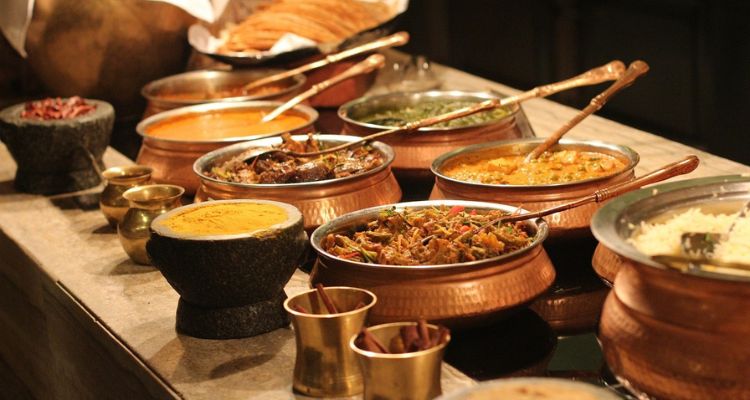
Indian food varities

Indian style of eating is a tricky business and in case you want to follow the same style of the local people, it is well and good. All of them eat with their right hand. Never use your left hand for eating. It will be considered a big mistake. In the olden days and even in these modern days in some traditional house, Indians sit on the floor and eat with their right hand. However, most of them use dining tables for eating.

  • As the first step before eating in any house, make sure you wash your hands.
  • Then as the second step, after food is served, you must mix the rice with the side dishes well with your fingers. Make it a thick and sticky mixture. For example, when you are served sabzi and dhal, you need to mix the rice only with dhal. Sabzi can be taken as scoops along with the mixture of rice and dhal.
  • As the final step, you need to take the mixed food in small quantities with your hand and fingers and put it into your mouth. The knuckles of your hand must face the dish.