

 1-800-982-1278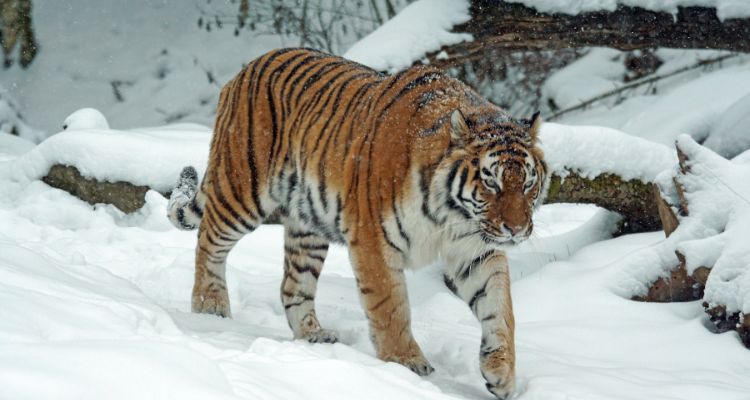
Nestled in the verdant landscapes of Karnataka, Bandipur National Park is one of India’s premier wildlife destinations, offering a perfect blend of adventure and tranquility. Once the private hunting ground of the Mysore Maharajas, this tiger reserve is now part of the Nilgiri Biosphere Reserve and a haven for nature lovers. Embarking on a wildlife safari in Bandipur takes you deep into its rich forests, where you might spot majestic tigers, elusive leopards, playful elephants, and a variety of deer, langurs, and exotic birds in their natural habitat.
Bandipur’s safaris, conducted in open jeeps or canter vehicles, offer a safe yet thrilling way to experience the wilderness. With the backdrop of the Western Ghats and the scent of teak and sandalwood in the air, every ride is a chance to witness the raw beauty of India’s wildlife. Whether you’re an avid photographer or a curious traveler, a safari in Bandipur promises unforgettable moments and a deeper appreciation for the delicate balance of nature.
1. Bengal Tiger
The Bengal tiger, India’s national animal, reigns supreme in reserves like Bandipur and Ranthambore. These majestic predators prowl their territories silently, leaving behind scent marks and the occasional thunderous roar. With their iconic black stripes and muscular form, spotting one in the wild is an unforgettable highlight of any Indian safari.

2. Chital – Spotted Deer
The chital, or spotted deer, is one of the most seen animals on Indian safaris. Graceful and social herds of these deer can be seen grazing in the golden meadows, their white spots glowing in the filtered sunlight. Often accompanied by langurs or alarm calls that echo through the forest, they play a key role in the ecosystem — and in alerting others to the presence of tigers or leopards.

3. Indian Gaur
Towering and muscular, the Indian gaur — also known as the Indian bison — is the largest wild cattle species in India. Often spotted in the misty forests of South India and the Western Ghats, this gentle giant is usually shy and peaceful, grazing quietly in small herds. But don’t be fooled by its calm nature — when threatened, the gaur can become a formidable force, defending its space with surprising strength and speed. Spotting one in the wild is a thrilling experience for any wildlife enthusiast.

4. Male Leopard
Elusive and elegant, the male leopard is one of the most breathtaking predators you might encounter on an Indian safari. Known for his solitary nature and silent movements, he often goes unseen—until he chooses to reveal himself. With sheer strength, he can drag prey heavier than himself high into the trees, keeping it safe from other scavengers. His beautiful spotted coat blends seamlessly into the dappled forest light, making each sighting feel like a rare and magical moment.

5. Sambar Dear
The sambar deer, India’s largest deer species, is a striking presence in the country’s forests. With rugged antlers and a thick, coarse coat, it moves quietly through the undergrowth—until danger nears. When it senses a predator, its loud, echoing alarm call pierces the stillness, often alerting the entire jungle. Frequently found near waterholes, the sambar is a key part of the forest ecosystem and a preferred target for tigers, making it a common sight on thrilling wildlife safaris.

6. Grey Francolin

The grey francolin, often heard before it’s seen, fills the forest air with its sharp, unmistakable call. This shy ground bird is commonly spotted darting through dry scrublands and grasslands in pairs or small groups, pecking for seeds and insects. Perfectly camouflaged in earthy tones, it relies on quick sprints to escape danger rather than taking to the skies. Catching a glimpse of one scurrying through the underbrush adds a charming touch to any birdwatching adventure in India.


 Please wait...